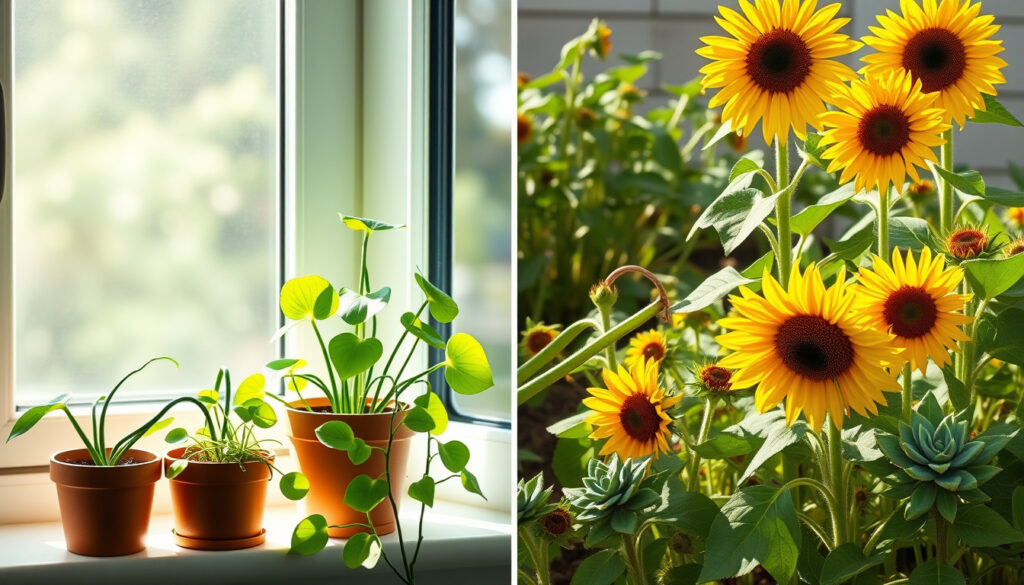
Best Plants for Beginners: Easy Indoor & Outdoor Options
So you’ve decided to get a houseplant. Good for you. But here’s the thing: most new plant parents kill their first plant within a few months. Not because they’re bad at it, but because they water too much.
Most popular beginner plant: Pothos – recommended by Proven Winners (leafjoy collection) and The Sill ·
Easiest to ignore: Snake plant – tolerates low light and drought per The Sill ·
Best for neglect: ZZ plant – needs watering only every 2–3 weeks per Proven Winners
Quick snapshot
- Pothos forgives inconsistent watering (Proven Winners)
- Snake plant tolerates neglect (The Sill)
- ZZ plant is easy to grow (Proven Winners)
- Whether succulents are genuinely beginner-friendly (mixed survival data)
- Optimal watering frequency varies by pot size, soil, and humidity
- Week 1: Water thoroughly, then wait
- Month 1: Check leaf color – yellow means less water
- Month 3: First fertilizer (half-strength)
- Start with a Pothos or Snake plant
- Learn to check soil moisture before watering
- Gradually expand to ZZ plant, Spider plant
Five key facts, one pattern: the plants that survive beginner mistakes are the ones that don’t need constant attention.
| Fact | Value |
|---|---|
| Most forgiving indoor plant | Pothos – Proven Winners |
| Easiest to ignore | Snake plant – The Sill |
| Best low-light plant | ZZ plant – Proven Winners |
| Fastest-growing spider plant | Spider plant – The Sill |
| Low-maintenance outdoor perennial | Hostas – Newsweek |
| Drought-tolerant outdoor plant | Sedums – Newsweek |
What is the most beginner friendly plant to grow?
Pothos: the nearly unkillable vine
- Pothos stays green even in fluorescent office light and forgives missed waterings (Proven Winners).
- It’s often priced at $4–$7 at big box stores, making it the cheapest beginner plant.
- Yellow leaves signal overwatering; brown tips mean dry air.
Pothos is the plant that says “I’m fine” even when you forget to water for two weeks. For a beginner, that’s worth more than any exotic specimen.
Snake plant: survives low light and irregular watering
- Snake plant (Sansevieria) is repeatedly listed as one of the easiest houseplants and tolerates low light and drought (The Sill).
- It needs watering only every 2–3 weeks, and can go even longer in winter.
- It’s also a top pick from NBC News Select for low-maintenance indoor plants.
Spider plant: producible and forgiving
- Spider plant is described as fast-growing and low-maintenance (The Sill).
- It produces baby spiders (pups) that you can propagate, making it a great choice for sharing.
- It tolerates overwatering better than most, but still prefers drying out between waterings.
The pattern: Pothos, snake plant, and spider plant all share one trait—they forgive mistakes. The implication: if you’re a new gardener, these three give you the widest margin of error.
Which plant is best for beginners?
Factors to consider: light, watering frequency, attention
- The Sill advises matching your plant to your home’s sunlight and your schedule, not the other way around.
- If your room has little natural light, choose a plant that thrives there—like a snake plant or ZZ plant.
- Overwatering kills more beginner plants than any other cause, so pick a plant that prefers dry soil.
ZZ plant: the beginner plant that thrives on neglect
- ZZ plant is listed among the easiest indoor plants by Proven Winners.
- It needs watering only every 2–3 weeks and tolerates low light.
- Its waxy leaves store water, making it nearly impossible to kill by neglect.
Why succulents can be hit or miss for new growers
- Succulents are often marketed as ideal beginner plants (The Sill), but they need strong light that many homes lack.
- Without enough sun, succulents become leggy and rot-prone.
- Real-world survival data from community forums suggests succulents have a higher failure rate than pothos or snake plants.
The catch: “beginner-friendly” doesn’t mean “any room.” Succulents are only easy if you have a bright windowsill. For dark corners, skip them and go with ZZ or snake plant.
What is the best low-maintenance plant?
Defining low-maintenance: fewest interventions required
- Low-maintenance plants are characterized as sturdy and able to tolerate a range of temperatures, limited sunlight, and infrequent watering (The Sill).
- They need weekly checks, but not daily care.
Cast iron plant (Aspidistra): sets the bar for toughness
- Cast iron plant tolerates drought, low light, and temperature swings. It’s a classic choice for offices and homes with no natural light.
- It’s slow-growing, which means less frequent repotting.
Chinese evergreen: colorful but undemanding
- Chinese evergreen produces new leaves even in north-facing windows (Allure).
- It comes in many colorful varieties, adding visual interest without extra work.
- Water when the top inch of soil is dry.
What this means: low-maintenance doesn’t mean zero care—it means the plant gives you a wide window before it complains. A weekly glance is enough.
What should I plant in my garden as a beginner?
Easiest vegetables: radishes, lettuce, tomatoes
- Radishes germinate in 3–5 days and are ready to harvest in 21–30 days.
- Lettuce is a cut-and-come-again crop that grows in partial shade.
- Tomatoes need at least 6 hours of direct sun daily, but are forgiving of irregular watering once established.
Radishes and lettuce are the fastest wins for new gardeners. Start with these before attempting tomatoes, which need more consistent sun and care.
Easiest flowers: marigolds, sunflowers, zinnias
- Marigolds are pest-resistant and grow in average soil (Newsweek).
- Sunflowers grow fast and dramatic, great for kids.
- Zinnias are drought-tolerant and bloom all summer.
Timing and soil prep for first garden
- Outdoor perennials like coneflowers, hostas, and baptisia return year after year and need less upkeep once established (Newsweek).
- Prepare soil with compost before planting to give your plants a strong start.
The trade-off: vegetables and annual flowers give quick rewards but need replanting each year. Perennials cost more upfront but pay off with years of low-care growth.
Which plant gives 12 months of flowers?
Streptocarpus (Cape primrose): year-round indoor bloomer
- Streptocarpus can flower continuously if deadheaded and placed in bright indirect light.
- It’s a relatively easy houseplant that rewards consistent care with constant blooms.
Peace lily: flowers intermittently through all seasons
- Peace lily blooms when root-bound and in bright indirect light (NBC News Select).
- It’s also a low-maintenance air purifier, making it a popular choice for beginners.
Outdoor perennials that bloom across three seasons
- Catmint is deer-resistant and needs little care once established (Yahoo Shopping).
- Spirea is widely regarded as one of the most low-maintenance plants, suitable for virtually any garden (Yahoo Shopping).
- No plant blooms 12 months without a rest period, but you can combine early, mid, and late bloomers for continuous color.
Why this matters: “12 months of flowers” is a marketing ideal, not a botanical reality. But with the right indoor and outdoor choices, you can have color in every season.
How to Keep Your First Plant Alive: A Step-by-Step Guide
- Choose the right plant. Start with a Pothos, Snake plant, or ZZ plant. These have the highest survival rates for beginners (Proven Winners).
- Pot with drainage. Ensure your pot has holes at the bottom. Stagnant water causes root rot.
- Water sparingly. Stick your finger into the soil. If the top inch is dry, water. If still damp, wait. This avoids the #1 killer: overwatering.
- Place in appropriate light. Snake plants and ZZ plants tolerate low light. Pothos prefers bright indirect but survives low light. Avoid direct sun for most beginners.
- Observe and adjust. Yellow leaves = too much water. Brown tips = too dry or low humidity. Adjust based on your plant’s signals.
You can find starter plants at garden centres like Woodies Lucan for affordable prices. For new homeowners looking to decorate, Property for Sale in Ireland offers context on choosing a home with good natural light for plants.
Clarity: What We Know and What’s Unclear
Confirmed facts
- Overwatering is the number one killer of beginner plants (multiple sources).
- Pothos grows in low light and survives irregular watering (Proven Winners).
- Snake plant tolerates low light and drought (The Sill).
- ZZ plant needs watering only every 2–3 weeks (Proven Winners).
- Spider plant is fast-growing and low-maintenance (The Sill).
What’s unclear
- Whether succulents are genuinely beginner-friendly (commercial vs. real-world survival data).
- Optimal watering frequency for specific species varies by pot size, soil, and humidity.
- The exact failure rate of different beginner plants in varying home environments.
Expert Perspectives
“Pothos is an ideal first plant because it forgives inconsistent watering—perfect for someone who’s never owned a houseplant before.”
— Spokesperson, Proven Winners (leafjoy collection)
“The most common mistake new gardeners make is watering on a schedule instead of checking the soil. Let the plant tell you when it’s thirsty.”
— Horticultural advisor, RHS (Royal Horticultural Society)
“Snake plant can survive in a north-facing window with water once a month—it’s about as close to a ‘set it and forget it’ plant as you can get.”
— Extension specialist, Clemson University Extension Service
For the beginner gardener in Ireland, the choice is clear: start with a Pothos or Snake plant, or risk losing your first plant to overwatering. Your local garden centre like Woodies Lucan has affordable options. The reward is a living, growing piece of nature that survives your learning curve.
Frequently asked questions
Can I grow a plant in a room with no windows?
Very few plants survive without any natural light. Your best bet is a snake plant or ZZ plant, but even they need at least some indirect light. Consider a grow light if your room is completely dark.
How often should I water a beginner plant?
Check the soil moisture before watering. For most beginner plants like pothos and snake plant, water only when the top inch of soil is dry. This could be once a week or once every three weeks, depending on the plant and environment.
What is the easiest vegetable to grow from seed?
Radishes are the fastest—germinating in 3–5 days and ready to harvest in 21–30 days. They grow in pots or garden beds and need no special care.
Do beginner plants need fertilizer?
Not immediately. Most potting soil already contains nutrients. After 3 months, you can apply a diluted, half-strength liquid fertilizer during the growing season (spring and summer).
What should I do if my plant leaves turn yellow?
Yellow leaves usually mean overwatering. Let the soil dry out completely before watering again. Also check for drainage holes—if the pot has no holes, repot immediately.
Can I keep a plant alive in a dark office?
Yes, if you choose the right plant. Snake plant, ZZ plant, and pothos can survive in low artificial light. But they will grow slower and may need occasional rotation to a brighter spot.
What is the cheapest beginner houseplant?
Pothos is often the cheapest—priced at $4–$7 in US big box stores. In Ireland, garden centres like Woodies sell small pothos for under €10.
More related posts
 What is BIOS Boot Order? How to Change It & UEFI vs Legacy
 Ryanair Terminal Dublin Airport: Which Terminal? (Guide)
 Leeds United vs West Ham Lineups: Confirmed & Predicted XI
 When Is Electric Picnic 2025? Dates, Lineup & Sold Out
 An Post Parcel Tracking: Step by Step Guide
 7a Bus Route Dublin: Map, Timetable, Stops & Live Times
 Shchi Soup Near Me: Find Authentic Russian Cabbage Soup in Dublin
 Dog Friendly Restaurants Near Me: Top Picks & Rules for Ireland