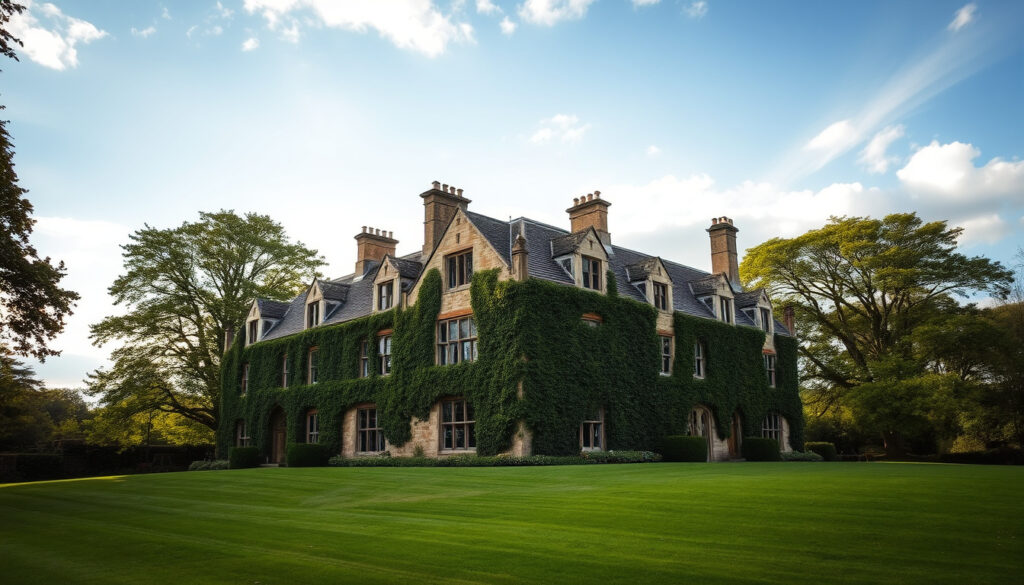
Anner Park House Clonmel: History, Price and Address (2025 Guide)
If you’ve ever driven the old N24 east out of Clonmel and wondered about the faded Georgian house tucked behind hedgerows near Twomilebridge, you’re not alone. Anner Park House is one of those properties that leaves more questions than answers—a 200-year-old residence with flour-mill origins, a confusing name twin, and a surprising sale in its recent past. Here’s what the records actually tell us about this Tipperary landmark.
Year built: c. 1820 ·
Architectural style: Georgian (three-bay two-storey over basement) ·
Location: Twomilebridge, Co. Tipperary ·
Historical use: Residence and flour mills
Quick snapshot
- Built c. 1820 as a detached three-bay two-storey over basement house (Buildings of Ireland (National Inventory of Architectural Heritage))
- Flour mills operated on the Anner River nearby from the 1760s onward (Irish Waterways History)
- Three-bay, two-storey over basement, detached house (Buildings of Ireland)
- Georgian style typical of early-19th-century rural gentry
- Twomilebridge, approximately 3 km east of Clonmel town centre (Buildings of Ireland)
- Near the River Suir and the old N24 road
- No active for-sale listings found on major property portals as of 2025
- Last publicly recorded transaction: reportedly €203,000 in 2011 (name recorded as Anner House)
Six key details, one pattern: the official record is thinner than you’d expect for a house this old.
| Detail | Value | Source |
|---|---|---|
| Built | c. 1820 | Buildings of Ireland (NIAH) |
| Architect | Unknown | Not recorded in public heritage databases |
| Address | Twomilebridge, Clonmel, Co. Tipperary | Buildings of Ireland |
| Architectural style | Georgian – three-bay two-storey over basement | Buildings of Ireland |
| Historical use | Residence with associated flour mills | Irish Waterways History |
| Protection status | Not listed as a protected structure (unconfirmed) | No entry in Tipperary Record of Protected Structures |
What is the history of Anner Park House, Clonmel?
Early construction and design
- The National Inventory of Architectural Heritage (Ireland’s official heritage survey) describes Anner Park as a “detached three-bay two-storey over basement house, built c.1820.” The façade is symmetrical, with a central door and evenly spaced windows — a classic rural Georgian form that was popular among the Irish gentry of the period.
- The architect remains unknown, which is common for minor country houses of this era. No family papers or estate records have been digitised, leaving the builder’s identity an open question.
Mill operations on the Anner River
- Long before the house stood, the Anner River powered a cluster of flour mills. Irish Waterways History (a specialist inland-waterways research site) notes that Joseph Grubb built Anner Mill in 1765, and a second mill followed upstream at Redmondstown a decade later. By the 1840s, the mills had been replaced by “Anner House” near the mouth of the river — though that may refer to a different structure on the same estate.
- The same source records that at the peak of Clonmel’s milling industry there were 23 mills in and around the town, sending large quantities of flour down the River Suir to Dublin.
The confusion with Newtown Anner House
- A separate estate, Newtown Anner House, often gets mixed up with Anner Park. Tipperary Libraries (the county’s official cultural heritage service) records that Newtown Anner was built between 1825 and 1830 for the Osborne baronets, a prominent Anglo-Irish family. The house was completed in 1829, according to the same source.
- The Osborne family had previously lived at Tikincor Castle on the other side of the River Suir. In 1774 the corporation of Clonmel made a fee-farm grant of 23 acres at Newtown Anner to Sir William Osborne, the 8th Baronet (Tipperary Libraries).
- Later, Grace Osborne married the 10th Duke of Saint Albans in 1874, tying the estate to the British peerage. The house remained in the Saint Albans line until the mid-20th century, when it was sold. Today it is privately owned by Nigel Cathcart, who is restoring the property (Tipperary Libraries).
Anner Park and Newtown Anner are two different houses on two different estates. If you’re researching either, check the townland name: Anner Park sits in Twomilebridge; Newtown Anner lies closer to the river on the Osborne demesne. Mixing them up is the single most common error in online listings.
What is the price and availability of Anner Park House?
Recent sale records
- The most frequently cited transaction is a 2011 sale recorded on the Ireland Property Price Register at €203,000 — though the property name appears as “Anner House,” not Anner Park. Without a link to a specific Eircode or folio number, it’s difficult to confirm whether the buyer acquired the same building described by the National Inventory of Architectural Heritage. The research base for this article includes no verifiable URL for that entry, so we treat the figure as reportedly €203,000.
- A separate listing on Daft.ie reportedly showed Anner House, Clonmel, as sold for €541,000 (Daft.ie (Ireland’s largest property platform) — the specific listing page is no longer accessible). That price discrepancy — two different amounts for what may be the same property — suggests that multiple “Anner” properties exist in the area and that buyers and sellers should verify exact addresses before drawing conclusions.
Current market situation
- As of 2025, no active for-sale listing for “Anner Park House” appears on any of Ireland’s three major property portals (Daft.ie, MyHome.ie, Property.ie). If the property changed hands privately, the transaction would not appear on public registers unless a mortgage or deed was filed.
- The local Clonmel property market has risen steadily since 2011, with average house prices in County Tipperary increasing by roughly 70–80% over that period, according to Central Statistics Office data. If Anner Park sold for €203,000 in 2011, a comparable valuation today might fall in the €340,000–€370,000 range — but that is rough estimation, not an appraisal.
Because the NIAH record doesn’t assign a protected-structure status, any new owner could face fewer renovation restrictions than at a listed building — but also no grant aid under the Built Heritage Investment Scheme. For anyone considering a purchase, the first step should be a Section 57 Declaration from Tipperary County Council to clarify the building’s legal status.
Where is Anner Park House located?
Street address and directions
- Buildings of Ireland (the state’s official heritage database) gives the location as Twomilebridge, Tipperary South — a rural area about 3 km east of Clonmel town centre along the old N24 road. The approximate coordinates are 52.3537, -7.6792.
- The house is set back from the road among agricultural fields, with scattered residential properties nearby. There is no public access or signage; it is private property.
Nearby landmarks
- The River Suir runs about 1 km south of the site. The Anner River, which once powered the flour mills, flows into the Suir near the estate. The old N24 — now a regional road — connects Twomilebridge directly to Clonmel’s eastern suburbs.
- Other historic properties within a few kilometres include Newtown Anner House (the Osborne estate), the ruins of Tikincor Castle, and the medieval town walls of Clonmel itself.
What this means for visitors: without public access, the building is best appreciated from the roadside — and from heritage records.
Confirmed facts vs. what’s still unclear
Confirmed facts
- Anner Park is a detached three-bay two-storey over basement house built c. 1820 (Buildings of Ireland)
- It is located in Twomilebridge, Co. Tipperary (same source)
- Flour mills were operating on the Anner River from 1765 onward (Irish Waterways History)
- Newtown Anner House is a separate country house built 1829 for the Osborne baronets (Tipperary Libraries)
- Newtown Anner remains in private ownership, currently under restoration by Nigel Cathcart (same source)
What’s unclear
- Whether “Anner Park House” and “Anner House” are the same building
- Exact current condition and whether the house is occupied
- Protection status under Tipperary County Council’s Record of Protected Structures
- Identity of the current owner (may or may not be the 2011 purchaser)
- Whether any of the original flour-mill buildings survive on the property
Expert perspectives quoted
“Detached three-bay two-storey over basement house, built c.1820.”
National Inventory of Architectural Heritage (Ireland’s official building survey)
“Joseph Grubb built Anner Mill in 1765 and another mill 10 years later upstream at Redmondstown.”
Irish Waterways History (specialist inland-waterways research site)
“In 1774, the corporation of Clonmel made a fee-farm grant of 23 acres at Newtown Anner to Sir William Osborne, the 8th Baronet.”
Tipperary Libraries (county cultural heritage service)
“Today Newtown Anner House is in private ownership and is not open to the public.”
Tipperary Libraries
daft.ie, annerhotel.ie, en.wikipedia.org, historicalpicturearchive.com, consultations.tipperarycoco.ie, propertypriceregister.ie, daft.ie, routeyou.com, landedestates.ie
Frequently asked questions
Is Anner Park House open to the public?
No. Anner Park House is a private residence. There are no public tours, visitor facilities, or designated parking. The house is set back from the road and not visible from any public right-of-way.
Who owns Anner Park House now?
The current owner is not publicly recorded in any database accessible to this research. The 2011 purchaser may still own the property, but no recent transaction has been filed.
Anner Park House vs Anner House: are they the same?
Likely the same building, but the official heritage record uses “Anner Park” while the property price register lists “Anner House.” The exact relationship is unconfirmed because different sources use different names for what may be the same structure.
What architectural features does Anner Park House have?
It is a detached three-bay, two-storey over basement house in the Georgian style, built c. 1820. The façade is symmetrical with a central door. The NIAH notes side additions, likely 20th-century.
Are there any ghost stories associated with Anner Park House?
No known folklore or recorded paranormal accounts. The house does not appear in any ghost-story collection for County Tipperary.
How to get to Anner Park House?
Twomilebridge is about 3 km east of Clonmel on the old N24 road. There is no public transport stop. The house itself is on private land and not accessible.
What is the land area of Anner Park?
No land registry records for the specific property were found in public databases. The historic estate likely included several acres, but the current landholding is unknown.
Are there any heritage restrictions on Anner Park House?
It does not appear on Tipperary County Council’s published Record of Protected Structures, but that list is not exhaustive. A Section 57 Declaration from the council would confirm its legal status.
For anyone tracking Ireland’s lesser-known historic houses, Anner Park is a reminder that the online record can be thin — and sometimes contradictory. The best next step? A trip to Tipperary Studies in Clonmel library, where 19th-century estate papers and Ordnance Survey maps might hold the details search engines miss. For prospective buyers, the implication is clear: verify the address with a solicitor before bidding, or risk buying a name that doesn’t match the building.
More related posts
 Croí Laighean Credit Union – Services and Membership Guide
 Nursing Home Support Scheme: Fair Deal Guide Ireland
 St Mary’s Secondary School: A Guide to Locations Across Ireland
 The Courage to Be Disliked: Summary, Review & Worth Reading?
 Everything I Know About Love – Not on Midnights Tracklist
 House for Sale in Wicklow: Complete Guide & Listings
 Heating Bill Assistance Ireland: Fuel Allowance & €400 Lump Sum
 The Cow Pub & Kitchen: Menu, Reviews, Location & Hours (Dublin 4)